

This article and podcast is for you if you’ve looked at your grocery receipt lately and wondered how it climbed so high. And for you if you feel financially responsible, yet still unsettled in a world where prices continue to fluctuate, if you’re asking, ‘What’s new? What’s changing? And how do I build real financial stability in this season of fluctuating prices as well as political maneuvering?’ In an inflationary society, stability doesn’t come from wishful thinking—it comes from clarity, strategy, and wise adjustments. This article is taken from the podcast with both Greg and Deb and includes practical shifts you can make now to protect your income, strengthen your foundation, and move from reactive to resilient without fear and with intentionality.
Here’s the truth: financial stability is not built on fear. It is built on understanding, strategy, and intentional action. When you understand the principles behind inflation, you can move from reacting emotionally to responding wisely. Let’s break this down into practical, usable concepts.
Understanding Inflation Without Fear
The Principle of Supply and Demand
• Housing prices rise when inventory is low
• Gas prices fluctuate based on supply disruptions
• Food costs increase when supply chains are stressed
Consumer Debt: The Silent Wealth Drain
In an inflationary environment, consumer debt becomes more dangerous. Why? Because interest rates often rise alongside inflation. That means carrying balances on credit cards or loans becomes more expensive over time. Also, that new boat or car purchased a year ago are now quickly depreciating and become a heavier burden to carry as prices continue to fluctuate.
Consumer debt quietly erodes financial stability. It reduces flexibility, increases stress, and limits your ability to invest or adapt.
The key principle: debt should serve you—not trap you.
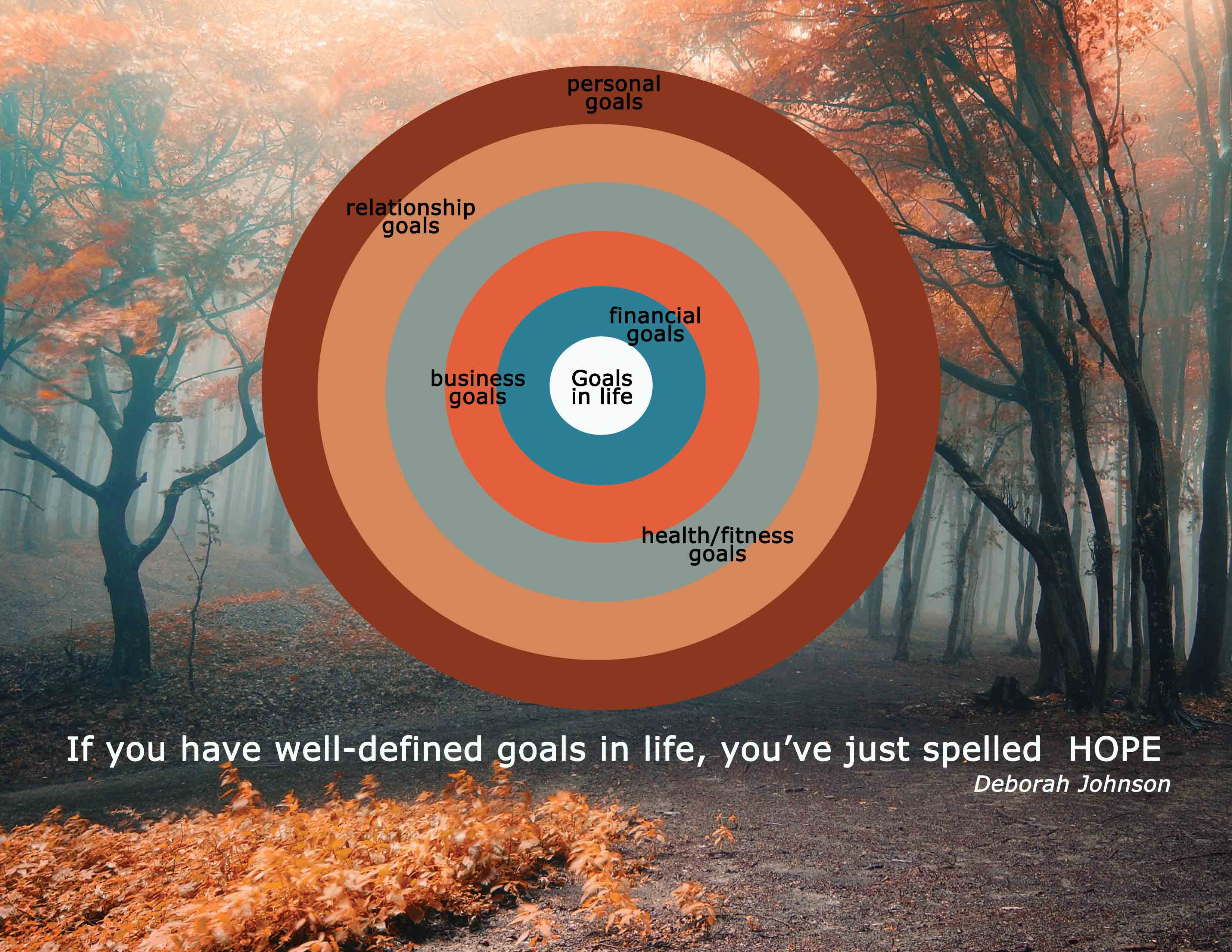
Get free Goal Setting Worksheets including basic budget
Start by identifying high-interest debt and prioritizing it. Even small, consistent progress creates momentum. A simple way to apply this right now is to pause and review your current debt: ask yourself, Is this helping me grow or just costing me money? Focus first on paying down high-interest debt like credit cards, while being intentional about any new debt you take on—making sure it supports something meaningful (like a business, home, or skill) rather than impulse spending. When you shift from automatic borrowing to purposeful use, you move from feeling trapped to being in control of your financial direction.
Debt consolidation—or bundling debt—is a strategy that combines multiple debts into one payment. Benefits include:
• Simpler financial management
• Potentially lower interest rates
• Clearer payoff structure
But here’s the key: consolidation without behavior change doesn’t solve the problem. The goal is not just to organize debt—but to eliminate it strategically.
Another important principle is not to become emotionally attached to financial relationships or products. Too many people stick with the same insurance, investments, or advisors simply because it feels comfortable. But comfort is not a strategy.
Your financial life needs regular evaluation:
• Are your insurance policies still appropriate?
• Are your investments aligned with your goals?
• Are you paying for things you no longer need?
Objectivity is a powerful financial skill. Don’t ignore this regular evaluation.
Investing: QQQI, SPYI, and Growth Thinking
Inflation teaches us one important lesson: saving alone is not enough. Money sitting still loses value over time. It must grow.
Some investors explore income-generating ETFs such as QQQI or SPYI, which are designed to provide both market exposure and income potential. Your money needs a job. Income-generating ETFs like QQQI or SPYI are designed to not only track a group of stocks but also pay regular income, often through strategies like options or dividends. In simple terms, instead of just hoping your investment grows over time, these funds aim to provide cash flow along the way, which can be especially helpful during retirement or income-building phases.
For deeper research, a reliable source is U.S. Securities and Exchange Commission, which offers clear guidance on how ETFs work, their risks, and how income-focused strategies operate. Diversification, income streams, and long-term growth all play a role in maintaining purchasing power.
Wealth Tools: The Rule of 72 and Experience
The Rule of 72 is one of the most practical tools in finance. Divide 72 by your expected rate of return to estimate how long it takes your money to double.
Example: At 6% return → 72 ÷ 6 = 12 years to double. This simple rule shifts your mindset from short-term thinking to long-term growth. It reminds you that time is one of your greatest assets.
If you’re in mid-career or the “Power of After” stage, you are not starting over—you are building on experience. You’ve lived through financial cycles. You’ve made decisions—some good, some hard. You’ve learned what matters. That experience is your advantage. Inflation doesn’t erase your foundation. It invites you to use it more intentionally.
This is the time to:
• Simplify your finances
• Align your money with your values
• Focus on sustainability, not just growth
Practical Steps You Can Take Now
Here are simple, actionable steps you can implement immediately:
1. Track Your Spending: Clarity creates control. Know where your money is going.
2. Reduce High-Interest Debt : Focus on what costs you the most first.
3. Review Financial Relationships: Make sure everything still fits your current life stage.
4. Invest with Purpose: Think long-term, not reactive.
5. Build Flexibility: Create a buffer for unexpected changes.
Conclusion
Financial stability in an inflationary society is not about having perfect conditions—it’s about making intentional decisions within imperfect ones.
When you understand inflation, manage debt wisely, and position your money for growth, you move from uncertainty to confidence.
This is your next chapter.
And with the right mindset and strategy, it can be one of your strongest yet.
Note: This article includes financial principles. Please see your financial advisor for individual financial investment advice.Additional Resources
Women at Halftime: Principles for Producing Your Successful Second Half by Deborah Johnson
Power of After: What’s Next Can Be Your Most Purposeful Chapter by Deborah Johnson
FREE Downloads including basic Budget worksheet: Goal Setting Worksheets
Refer to this previous article: https://goalsforyourlife.com/how-to-survive-inflation/ for more on budget principles.
FREE Resources and links: https://GoalsForYourLife.com/DJWorks
YouTube Podcast Playlist: Women at Halftime/Power of After
- about Greg & Deb
GREG joins DEBORAH as a co-host on Power of After Show (formerly Women at Halftime Podcast)
GREG JOHNSON is a former professional athlete, a triple A relief-pitcher with the Cleveland Indians (now Guardians) He also has years of experience in sales and as an R.I.A. (Registered Investment Advisor), owning his own business. He & Deb met on a blind date and have been married over 40 years.
When you understand the principles behind inflation, you can move from reacting emotionally to responding wisely.
deborah johnson
Thought Leader, Keynote Speaker, Author
If you are interested in growing and learning, check out our online courses here: Online Learning
1,422 words
